
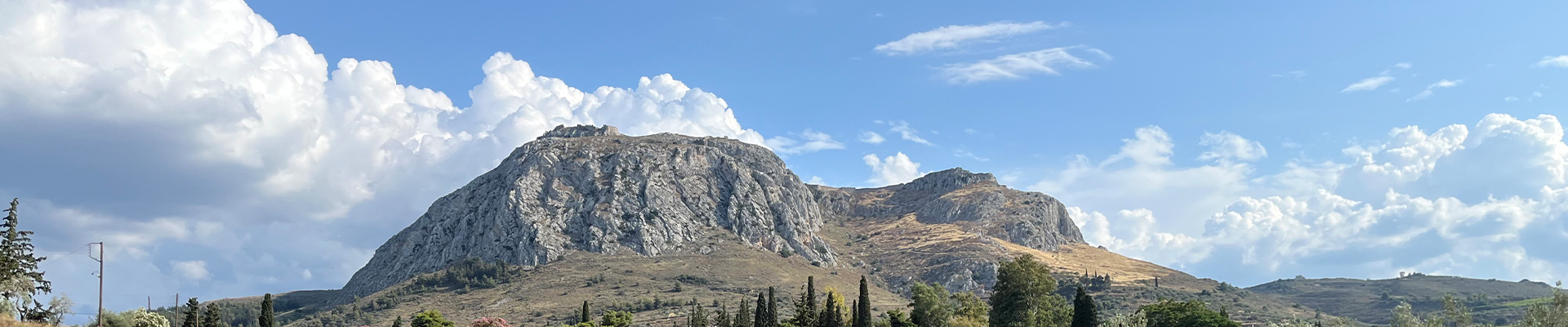
The classical archaeology faculty at Florida State University direct major fieldwork projects around the Mediterranean. These projects involve the excavations of major sites and regional landscape projects. There are many opportunities for FSU student-training through this research, including field schools offered through the Cosa and Cetamura del Chianti projects. FSU is home to a large community of archaeologists, digital humanists, and art historians, and the classical archaeology faculty often work collaboratively with colleagues in other departments and colleges through fieldwork and co-developed student projects. Learn more about the excavations and regional landscape projects below.
Cetamura del Chianti
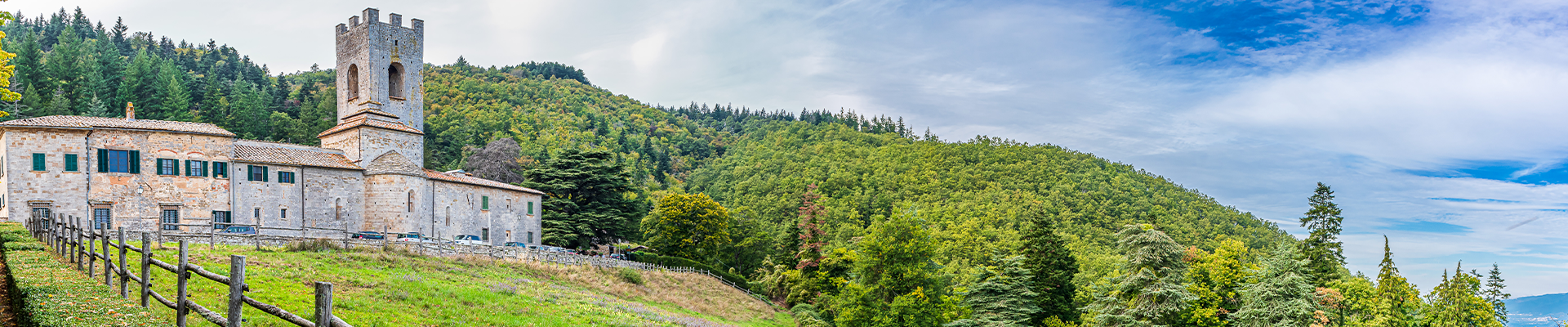
Research by faculty and students of Florida State University has been conducted at Cetamura del Chianti since the opening of the site in 1973. Nancy T. de Grummond has led generations of FSU students as project director at Cetamura.
Cosa Excavations
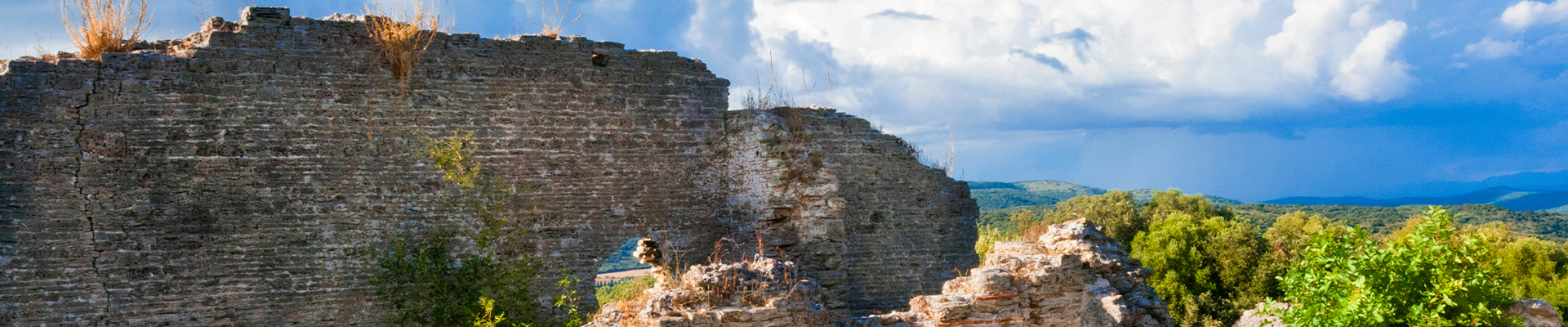
After a long hiatus, new excavations at the Roman colony of Cosa, Ansedonia, in central Italy began in June 2013 under the direction of Andrea U. De Giorgi and of Russell T. Scott of Bryn Mawr College.
Landscape Archaeology in Southwest Sardinia
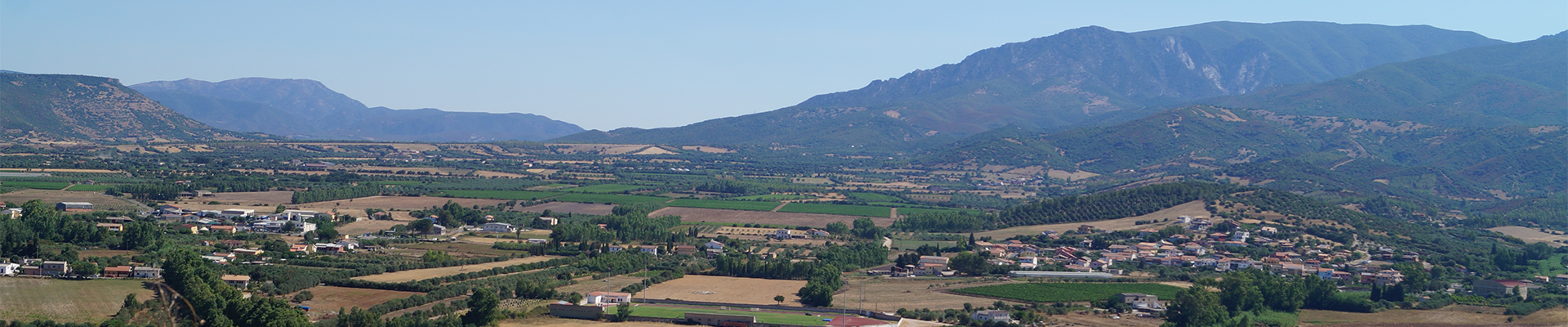
The Landscape Archaeology in Southwest Sardinia Project is a multi-disciplinary landscape study whose primary aim is to assess how episodic integration and disintegration drove sociocultural and socioeconomic change in southwest Sardinia over time. The LASS Project is directed by Elizabeth A. Murphy.
Montereggi

Since Summer 2024, FSU archaeological explorations have targeted the hilltop site of Montereggi, in the comune of Capraia e Limite, Firenze, Italy. This initiative, conducted in partnership with Villa Bibbiani and co-directed by Andrea U. De Giorgi and Agnese Pittari, is a year-round project that through a battery of excavation and survey techniques explores the cultural evolution of the site, spanning the Etruscan era and the Middle Ages.
Saronic Harbors Archaeological Research Project
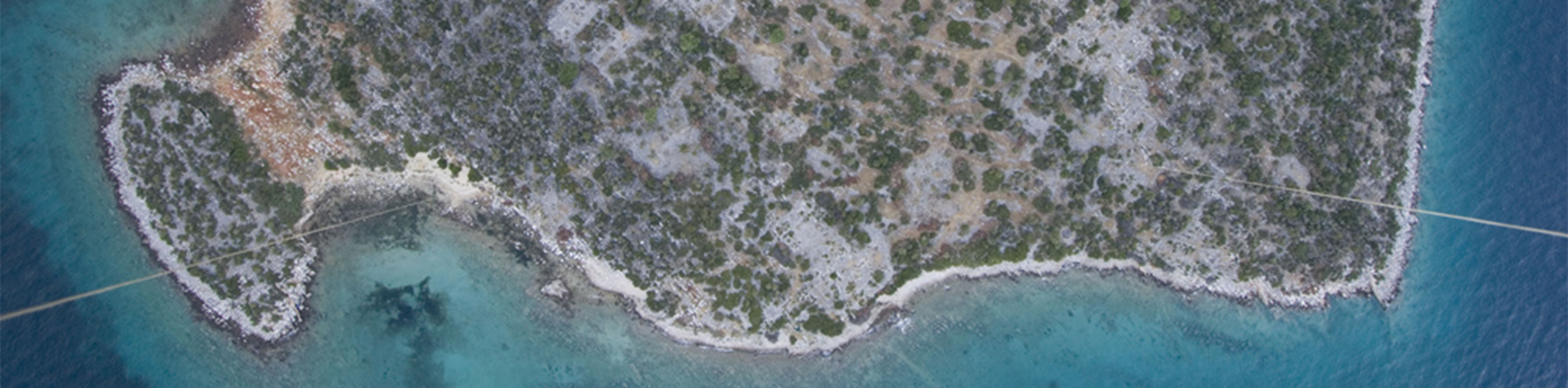
The Saronic Harbors Archaeological Research Project, or SHARP, explores human interaction with the coastscape of the Saronic Gulf, Greece, through time. Current work focuses on the newly-discovered Mycenaean port, Kalamianos. Daniel Pullen co-directs this project with Tom Tartaron of the University of Pennsylvania.